Twelve Chairs and a Kettle: The Low-Tech Feedback Method UK Creatives Need in 2026
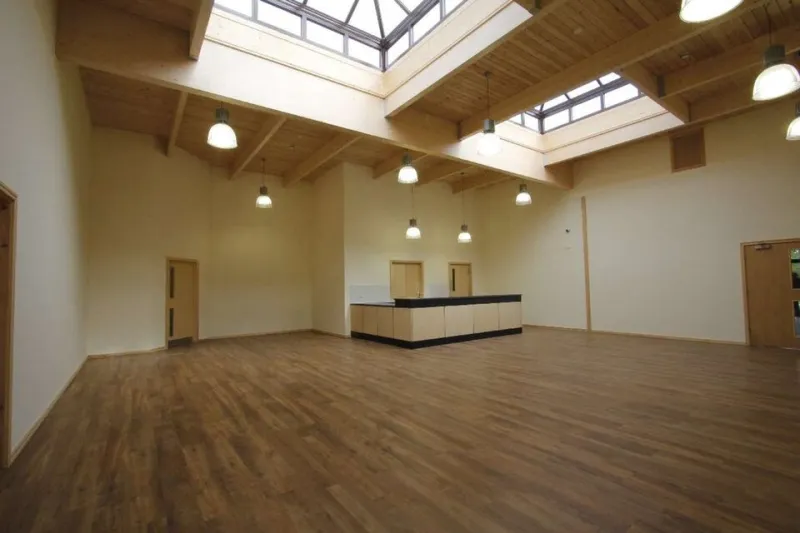
Photo: Bill Nicholls , CC BY-SA 2.0, via Wikimedia Commons
There is a particular kind of silence in a village hall when twelve people have just watched something that does not quite work. It is not hostile. It is the sound of a room trying to make sense of a thing. I have come to trust that silence more than any dashboard.
In 2026, creative feedback has become weirdly public. You post a rough cut, a prototype, a poster, a pitch. The replies arrive in a stream: fire emojis, polite likes, a quote-tweet from someone who has never bought anything in their life. Then you launch, and the analytics tell you what happened after the fact. None of it tells you what twelve real people in a room think before the thing is finished.
That is why I keep coming back to the village hall test. It is cheap, low-tech, slightly awkward, and far more useful than another round of online polling.
Why twelve is the right number
Twelve is enough to see a pattern and small enough to feel like a conversation. Sixteen becomes a seminar. Eight can be a cosy echo chamber. Twelve gives you a mix without turning into a panel event.
It also fits the room. Most village halls, pub back rooms and regional arts centres can seat twelve comfortably without a PA. You do not need a stage. You need chairs, a kettle and someone willing to take notes.
The method
1. Book a room that is not your studio
Your own space carries your assumptions. A village hall carries a faint smell of floor polish and a noticeboard about yoga. That is useful. It puts everyone, including you, slightly off balance.
Look for a community hall, a pub function room, a church annexe, a regional arts centre, a library meeting room. In the UK, you can often book one for £10–£40 an hour. A pub back room might cost you a round of drinks. If you can, pay for the room and the biscuits. It keeps the ask clean.
2. Recruit twelve people, not twelve mates
The temptation is to fill the room with people who love you. Resist it. Aim for four people from your intended audience, four curious outsiders, two fellow creatives and two wildcards — the neighbour who does not work in media, the retired teacher, the teenager who is brutally honest.
You do not need a recruitment agency. Ask around. Post in a local group. Offer tea, biscuits and a fiver towards travel if you can. Make the room accessible: step-free access, a hearing loop if needed, clear start and finish times.
3. Show the thing with almost no preamble
This is the hard bit. Do not explain the concept for ten minutes. Do not tell them what to feel. Give them one sentence of context and show the work. Eight minutes is plenty for most things. A rough cut, a prototype, a poster set, a website scroll, a pitch.
If you have to explain why it is funny, it is not funny yet. If you have to explain why it is clear, it is not clear yet. The room will tell you.
4. Ask three specific questions
Do not ask: do you like it? That question invites politeness. Ask:
- What do you think this is for?
- Where did you drift?
- What would you tell a friend about it?
Those three questions do more work than a survey. The first tests comprehension. The second tests attention. The third tests whether the thing has a life beyond the room.
5. Capture on paper
One person takes notes. Not a transcript. Just phrases. Ask everyone to write one sentence on a card before they leave: the first thing they would change. No recording unless everyone has agreed. Phones face down. The low-tech bit is the point.
6. Leave twenty minutes for the unstructured bit
The best feedback usually arrives after you stop facilitating. Someone mentions a confusion you did not spot. Someone else says the thing you were afraid of. Let it happen. Put the kettle on. Do not defend the work. Ask a follow-up question and then shut up.
7. Decide one change
Twelve people will give you twelve opinions. You cannot action all of them, and you should not try. Pick one change that addresses a pattern, not a single loud voice. Write it down. Tell the room what you did with it, if you can. Then test again at the next milestone.
The rules that keep it honest
Do not invite only people who look like your existing audience. Do not argue with the room. Do not call it a focus group if it is not one. Do not over-engineer the format. If you can only get six people, six is fine, but twelve is the target.
And do not confuse a nice evening with evidence. The village hall test is not a substitute for proper research. It is a cheap, human check before you spend real money or launch into the void.
Why this is happening now
In 2026, a lot of UK creatives I know are quietly tired of the dashboard. The numbers are useful, but they arrive late and they flatten everything into behaviour. A room gives you texture. It gives you the moment someone leans forward, the frown before a question, the laugh that is actually a wince.
The UK is full of small rooms. That is an advantage. You do not need a London screening room or a tech-enabled innovation space. You need a hall, a kettle and twelve people who are willing to give you an hour.
The internet will tell you what happened. Twelve people in a room will tell you what is happening. Book the hall.