Keep the Receipts: Leaving a Provenance Trail Without Turning Your Studio Into a Compliance Department
Photo: Alan Light, CC BY 2.0, via Wikimedia Commons
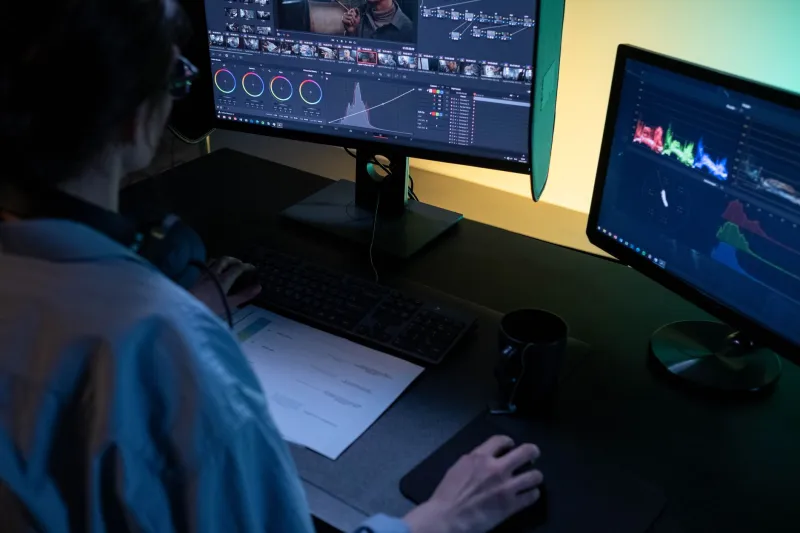
A client once asked me, halfway through a review call, whether the image on screen had been 'generated'. It hadn't. I said so, then spent eight slightly humiliating minutes scrolling a desktop looking for something — anything — that proved it. Layers, timestamps, an old export. I found enough to be convincing, but only just.
That afternoon I started keeping an AI receipt. Not a legal file. Not a compliance regime. Just a habit of leaving a short, dated trail next to the finished work, so that future-me never has to do the desktop-scroll of shame again.
The provenance question has changed shape
Two years ago, asking how a piece was made sounded like a challenge. In 2026 it sounds like a line item. Agency producers have it in their supplier forms. Publishers want a note in the delivery email. Broadcast compliance teams ask about it before they ask about file formats. Some of that is nervousness about rights, some of it is the advertising regulator's appetite for substantiation, and a fair chunk of it is plain fear of a backlash on a Tuesday afternoon.
The practical upshot for anyone with a portfolio: it now helps to be able to say, calmly and specifically, how a thing was made. Not defensively. Not like a solicitor. Just accurately.
What goes in the file
The receipt is a folder that sits next to the deliverable, not inside it. Five things earn a place.
A dated note. One plain text or markdown file, dated, three to eight lines: what the brief was, what tools were involved, what was mine and what was licensed. Written the day you finish, not the day you're asked.
The working files. The layered Photoshop or Illustrator file, the Ableton project, the edit with the project file still attached rather than a flattened export. This is the original receipt. Everything else is a photocopy.
A decision log. The awkward one. Why that crop, why the second verse got cut, why the client's preferred option was quietly rejected. Three or four bullets is plenty. This is the document that will actually save you in an authorship dispute, because it shows human judgement rather than human clicking.
Tool notes, only where relevant. If a generative model was involved for moodboards, comps, alt text or a texture pass, write down which one, roughly when, and what you did with the output. You do not need the full prompt history. You need enough that someone can follow the thread.
Licences and third-party assets. Fonts, stock, music, archive footage. Dull, and the single thing most likely to be queried by somebody else's legal team eleven months later.
What to leave out
The temptation, once you start, is to document everything. Don't. A receipt that takes an hour gets abandoned by week three.
Skip full chat transcripts unless a client specifically asks. Skip screenshots of every iteration. Skip the running commentary on which model felt better on a Tuesday. Nobody is auditing your process for purity — they're asking a narrower question about whether the finished thing is what it claims to be. Over-documenting creates its own risk, too: a hundred pages of half-finished experiments is more to defend, not less.
The five-minute version
At the end of every job, before the invoice goes out:
- Make a folder called 'provenance' next to the delivery folder.
- Drop in the working file, the dated note and the licence PDFs.
- Name the note YYYY-MM-DD_client_project_note.md.
- Add one line to the delivery email: 'Working files and a short process note are included in the handover folder.'
That's it. Four steps. The naming convention matters more than it looks — in two years, the date prefix will be the only part your future self remembers.
Saying it in the room
The pitch version needs to be three sentences, delivered in a normal voice, ideally before anyone asks.
Something like: 'We used a generative tool for the early moodboards, then built everything by hand from there. The finished artwork is original — you've got the layered files and a process note in the handover. If your legal team wants a specific disclosure format, send it over and we'll match it.'
That isn't a confession and it isn't a sales pitch. It's just the truth, offered early, which is the only reliable way to stop a routine question turning into a tense one.
When the folder earns its keep
Most receipts are never opened. Fine — insurance works the same way. But three or four times a year the folder becomes the most valuable thing in the studio: a rights query on a piece you made eighteen months ago, a sub-licensing conversation, a royalties claim, or the Friday email that begins 'our client's legal team has a question about...'.
In those moments, eight minutes of tidying beats eight hours of reconstruction.
The bit that matters
Keep the receipts because the work is yours, and being able to prove it should take five minutes, not an afternoon. Keep them short, keep them dated, keep them next to the thing they describe. Then get back to making the next one.