The Room Does the Selling: Choreographing a Client Visit Without a Deck in Sight
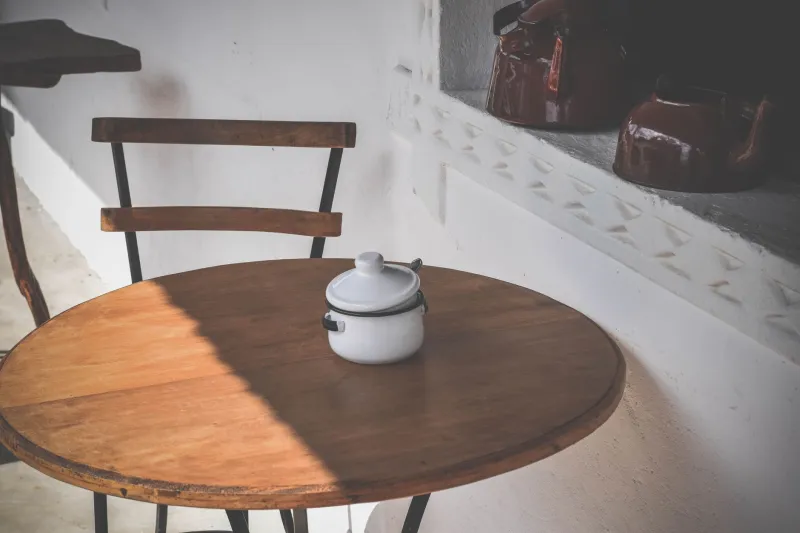
There is a moment in a client visit when the deck stops mattering. Someone puts a mug down on the table, looks at the wall, and asks a proper question. That is the bit you cannot fake in a PDF. The room has already started selling before you open your mouth, so the job is not to perform enthusiasm. It is to make sure the room is telling the truth.
The Visit Is a Rehearsal
A studio visit is not a tour. It is a live rehearsal of the working relationship. The client is not just judging your work; they are checking whether they can imagine being in a room with you when something goes wrong. Can they ask a stupid question here? Is there somewhere to sit? Does anyone make eye contact? Those small signals do more than a polished showreel looping on a monitor nobody is watching.
I have started treating the visit as a piece of craft in its own right. It has a beginning, a middle and an end. It has props. It has a route. And it has a follow-up that should feel like the next scene, not a chase.
Send a Journey Note, Not a Calendar Hold
If they are coming up from London, send a short journey note the day before. Nearest station, which exit, how long the walk is, where the buzzer is, what the door looks like, and whether there is step-free access. If parking is a permit situation, say so and offer to sort a visitor space. If the last train back is earlier than they think, mention it. None of this is glamorous, but it removes the tiny friction that makes people arrive slightly annoyed.
For a small unit, access basics matter more than you think. Know where the fire exits are. Have a public liability insurance certificate as a PDF on your phone and a printed copy in the drawer. Keep a basic risk assessment for the space, not because anyone will ask, but because it forces you to notice the trailing cable and the wobbly step. If you share a building, tell reception someone is coming. Do not rely on phone signal to talk them through a locked door.
Put the Kettle Before the Case Studies
The kettle is not a cliché. It is a transition. Offering tea or coffee gives everyone something to do with their hands and creates a natural pause before the serious conversation starts. It also buys you ninety seconds to read the room. Are they rushed? Curious? Slightly nervous? You will not learn that from a slide.
Do not over-cater. A decent mug, a couple of biscuits, water on the table. That is enough. The point is not hospitality theatre; it is permission to sit down. A showreel playing on a loop in the background is not the same thing. It fills the silence, but it also fills the room with your best bits when the client is trying to work out whether they like you.
Route the Room in Three Stops
Do not tour every corner. Pick three stops. The table is for conversation. The wall is for current work. The screen is for one live thing, not a greatest-hits parade. Move deliberately. If there is a piece of work in progress, leave it out. A half-finished edit, a marked-up script, a physical object with fingerprints on it: these say more than a grid of logos.
Leave out one thing that shows how you think. A notebook with a problem sketched in it. A printed timeline with the messy bits still visible. A prototype that did not quite work. Hide the rest: the invoices on the desk, the post that reads like chaos, anything with another client's name on it, and anything that suggests you are overstretched. If you have a wall of framed certificates, consider a different wall. The room should say 'this is where work happens', not 'please approve of me'.
Ask Two Questions, Then Stop Talking
Before they leave, ask two questions. First: 'What would make this a success six months after it is out in the world?' Second: 'What has to be true for you to sign this off?' Or, if that feels too blunt, 'Who else needs to be comfortable before this can get approved?'
Write the answers down. Not on a laptop, with your back turned. On paper, where they can see you doing it. Then stop pitching. The visit is not the place to relitigate the budget or add another idea you thought of in the shower. Let the answers sit. They are the real brief.
Follow Up With a Next Step, Not a Nudge
Send the follow-up the same day or the next morning. Reference the thing they said, not the thing you said. Attach one photo of the work-in-progress you showed them, or a scan of the note you made. Summarise what you heard in three lines, then propose two dates for the next conversation. If they need to take it to a boss, give them a one-page summary they can forward without editing.
Do not write 'just checking in'. Do not offer a discount because the silence is making you nervous. The follow-up should sound like someone who has a plan, not someone waiting by the phone.
The Small-Unit Practicalities
UK specifics, quickly. Trains from London can be fine until they are not, so build in a buffer. If you are a short taxi ride from the station, say so, but do not promise to pay for it unless you mean it. If the visit is in winter, have somewhere to hang a wet coat. If the building has a lift, check it is working. If the loo is down a corridor, mention it before they need it.
Insurance and access are dull until they are not. Keep the public liability certificate current. Know your capacity. Have a named person meet them at the door. If you are in a shared studio, warn the neighbours. These are not the things clients remember, but their absence is the thing they feel.
What the Room Is Actually Saying
The kettle does more for conversion than a polished showreel loop because it makes the visit human. The room does the selling because it is evidence. Your job is to choreograph the ninety minutes so the evidence is clear: this is a place where work gets made, problems get discussed, and people are treated properly. If the room is telling the truth, the follow-up is easy. If it is not, no deck will save it.